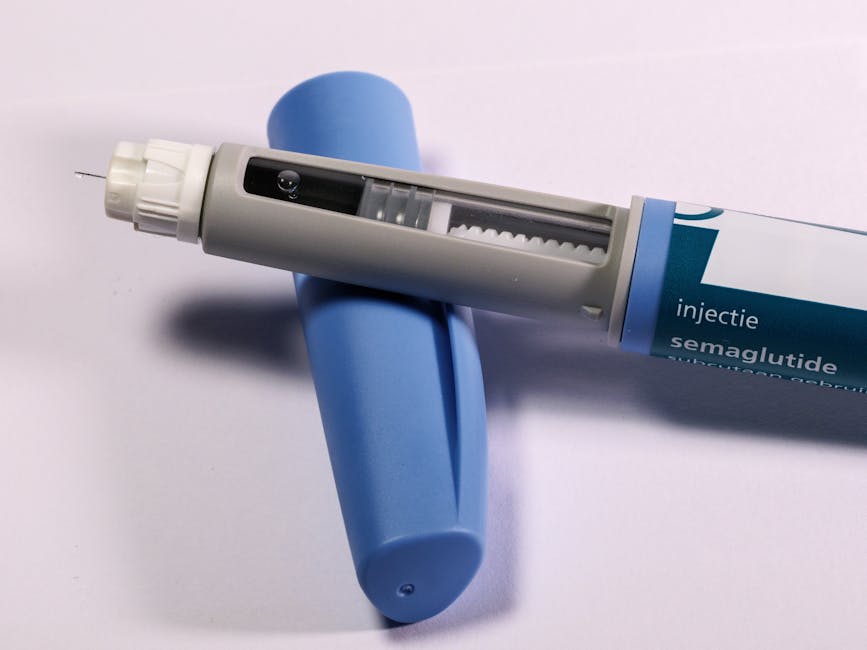
Most people who abandon GLP-1 therapy do so not because the medication fails them, but because they never received a structured onboarding process in the first place. Skipping eligibility screening, selecting a clinic without verifiable dosing protocols, or misunderstanding what post-injection maintenance requires are the three most common and entirely preventable reasons patients spend money on a treatment course that produces minimal results. The four steps below are designed to prevent exactly that.
What Should a Prospective Patient Confirm About Eligibility Before Booking a Consultation?
GLP-1 receptor agonists like semaglutide are not indicated for every adult seeking weight loss. Before booking a consultation, a prospective patient should confirm that their body mass index (BMI) meets the clinical threshold — typically a BMI of 30 or above, or 27 and above when accompanied by at least one weight-related comorbidity such as type 2 diabetes, hypertension, or dyslipidemia. These thresholds align with the FDA-approved labeling for semaglutide used in chronic weight management, which the FDA's published drug information for Wegovy details clearly. Beyond BMI, eligibility screening should rule out contraindications: a personal or family history of medullary thyroid carcinoma, multiple endocrine neoplasia syndrome type 2, or active pancreatitis each disqualify a patient from semaglutide use. Confirming these points before the initial appointment avoids a wasted consultation fee and sets realistic expectations about what the therapy can and cannot accomplish.
How Does a Reputable Clinic Structure the Initial Assessment for Weight Loss Therapy?
A well-structured initial assessment for weight loss therapy goes substantially beyond a brief check of weight and height. Reputable clinics conduct a comprehensive intake that includes a full medication history, metabolic labs (fasting glucose, HbA1c, lipid panel, and thyroid function at minimum), blood pressure measurement, and a discussion of previous weight loss attempts. This baseline data serves two purposes: it confirms eligibility with clinical precision, and it creates the benchmark against which progress is measured every four to six weeks. Patients seeking a GLP-1 Injection Vancouver WA provider should ask specifically whether the clinic's intake process includes lab work or relies solely on a self-reported health questionnaire — the latter is a meaningful red flag. According to its published service overview, Okojie Wellness structures its semaglutide consultations to include provider-led assessment rather than a fully automated intake, which matters when adjusting dosing based on individual metabolic response. The assessment visit should also produce a written care plan outlining the titration schedule, expected milestones, and the protocol for managing common side effects such as nausea, delayed gastric emptying, and injection-site reactions.
What Should Patients Verify About Semaglutide Sourcing, Dosing Protocols, and Ongoing Monitoring?
Semaglutide sourcing became a critical consumer concern following the widespread compounding of the drug during FDA-documented supply shortages. Patients should confirm whether their clinic dispenses FDA-approved branded semaglutide or a compounded preparation from a 503A or 503B compounding pharmacy — a distinction that affects quality assurance and legal standing. The FDA's compounding Q&A resource explains the regulatory differences between these pharmacy designations in accessible terms. On dosing protocols, the standard titration for semaglutide used in weight management begins at 0.25 mg weekly for four weeks, escalating gradually to a maintenance dose of up to 2.4 mg weekly — though individual tolerance determines the actual ceiling. Clinics that propose jumping to therapeutic doses immediately, or that offer a fixed single-dose program without titration, are not following established prescribing conventions. Ongoing monitoring should include at minimum monthly check-ins during the first three months, with provider review of weight trajectory, side effect burden, and any changes in concurrent medications. In the Vancouver, WA metro area, where access to specialist physicians can vary, confirming that monitoring appointments are conducted by a licensed prescriber rather than delegated entirely to non-clinical staff is worth asking about explicitly.
How Do You Sustain Weight Loss Progress After the First Injection Appointment?
Sustaining weight loss on GLP-1 therapy requires treating the injection as one component of a broader behavioral and metabolic strategy rather than a standalone solution. Clinical data consistently shows that patients who pair semaglutide with structured dietary changes — particularly a reduction in ultra-processed food intake and an increase in dietary protein to support lean mass retention — maintain superior results compared to those who rely on appetite suppression alone. Resistance training, even two sessions per week, helps preserve muscle tissue during the caloric deficit that GLP-1 therapy facilitates, which is important because muscle mass directly influences long-term metabolic rate. Patients should also plan for the eventual tapering or discontinuation phase: weight regain is well-documented when semaglutide is stopped without a concurrent behavioral foundation already in place. Scheduling a follow-up assessment at the six-month mark — covering labs, weight composition if possible, and an honest review of dietary adherence — keeps the treatment plan responsive to actual progress rather than assumptions. Maintaining those six-month review appointments, even after achieving target weight, is the most reliable way to protect the results the therapy helped generate.